

What Is Digital Awareness? Simply put, it is the skill to use the digital technology carefully, conscientiously, and sensibly and being aware of the dangers and burdens associated with it.
In the modern globalized world, almost all things in life banking, education, healthcare, shopping, communication and work are dependent on digital systems. As convenient and efficient as technology may become it brings its own set of problems like privacy threats, false information, identity theft and internet fraud.
Having an idea of what Digital Awareness is about is no longer an option it is now a necessity in life. The students who take classes online and those who deal with sensitive office information all use the internet on a daily basis. That’s exactly why practical Digital Awareness skills really matter they empower people to protect themselves online, think critically before making decisions, and use technology in a smart, confident, and responsible way.
This elaborate curriculum discusses the definition of Digital Awareness, its significance, and presents real-life examples to make it clear to you. It offers a step-by-step instructions, professional knowledge, and practical tips, which allow people to develop long-term digital confidence without becoming quite out of pace with modern internet safety practices.
What Is Digital Awareness? A Clear Definition
In order to conceptualize what Digital Awareness really means, one must look past any technical knowledge and conceptualize it in a more practical manner.
Digital Awareness refers to:
Seeing how the digital platforms operate.
Identifying cyber dangers and hazards.
Enhancing personal and professional information security.
Living a responsible digital life.
This is the critical evaluation of online content.
It integrates online literacy, awareness of online security, ethics and competent choices.
Digital Awareness does not mean that one is afraid of technology. It is concerned with being educated, cautious, and deliberate with regard to communication with digital systems.
The Signification of Digital Awareness
Most citizens misunderstand digital awareness as knowledge of how to operate the devices. But the precise meaning is bigger and more extensive.
Digital Awareness includes:
Risk Recognition
Knowing how to detect phishing emails, fraudulent websites, and suspicious downloads, and deceitful content.
Responsible Usage
Being respectful and ethical in using social media, messaging services and online forums.
Privacy Management
Knowing the methods of data collection, storage and usage of personal data. You can learn more about managing personal data privacy from organizations like Federal Trade Commission.
Critical Thinking
Critical thinking of what is on the internet before trusting or telling others.
Simply put, Digital Awareness skills help people engage with technology in a mindful and informed way instead of using it without thinking.
Digital Awareness and the Importance of Digital Awareness in the Modern Society
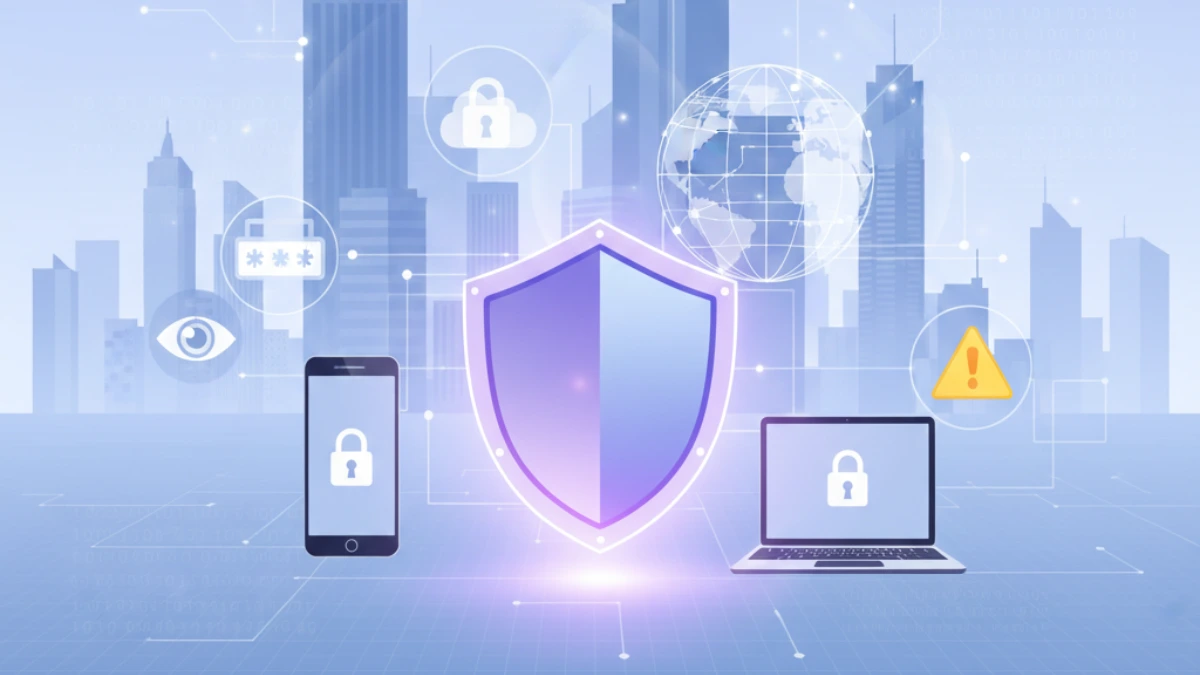 The Importance of Digital Awareness has increased significantly in recent years. The digital systems are entrenched in daily life.
Consider how frequently we:
Log into online banking
Provide personal information on applications.
Use public Wi-Fi networks
Open email address of strangers.
Shop on e-commerce platforms
These daily activities may have a high risk to people without their knowledge.
The importance of Digital Awareness
Protection Against Fraud
Frauds on the Internet are getting more advanced. The consciousness leads to less chances of financial loss.
Data Privacy Protection
Personal data has value. Knowledge of privacy settings can be used to avoid abuse.
Professional Reputation
Employers also tend to visit online profiles. Online behavior has an impact on employment.
Safe Learning Environments
The students gain knowledge on safe browsing and communication etiquette.
The Importance of Digital Awareness lies in prevention, protection, and empowerment.
Core Digital Awareness Skills Everyone Should Develop
Building Digital Awareness Skills does not require advanced technical expertise. It entails wise practices and good conduct.
Password Management
Use strong, unique passwords
Avoid reusing credentials
Enabling two factor authentication.
One of the most used security vulnerabilities is the weak passwords.
Identifying Phishing Attack
According to the warning signs, there are:
Emergency demands of personal information.
Suspicious links
Bad grammar in official communications in emails.
Think twice before clicking.
Safe Social Media Use
Restrict exposing personal information.
Check privacy options on a periodic basis.
Do not post sensitive the material.
Secure Browsing Practices
Verify URL website names with HTTPS.
Never download attachments of which you do not know.
Keep software updated
You can explore practical secure browsing guidelines from National Cybersecurity Alliance.
The Essential Analysis of Knowledge
Before sharing news:
Indicate the credibility of the source.
Search details of support.
Stop using emotionally charged head lines.
These Digital Awareness Skills form the foundation of safe online engagement.
Real-Life Digital Awareness Examples
Understanding theory is important, but real-life Digital Awareness Examples demonstrate how these skills work in practice.
An example is the Suspicious Email of a Bank
You get an email that your bank account is locked and it requires you to confirm the details as soon as possible.
Someone, who is digitally conscious, would:
Avoid clicking the link
Check email address of the sender.
Pay a direct visit to the official bank site.
Official contact customer service.
This mere gap stops identity theft.
Avoid Oversharing on Social Media
One of the students shares travelling plans.
Potential risks include:
Location tracking
Home security concerns
Personal data exposure
Digital Awareness promotes restricted visibility.
Faker News in Circulation is one such Organization
One of the viral posts states about dire needed changes in the policies.
Someone that is digitally aware would:
Review government sources as check officials.
Verify the publication date
Do not disclose information which is not proven.
Misinformation is avoided through responsible behaviour.
Consideration: Sharing of data at the Workplace
A request whereby an employee is asked to provide confidential documents is sent through email.
Digital Awareness Skills guide them to:
Establish the identity of the sender.
Check the request within the organization.
Do not send information when it is not authorized.
This safeguards integrity in organisations.
Guide to Enhancing Digital Awareness Step by Step
The enhancement of Digital Awareness is an ongoing activity.
Step 1: Starting with Account Auditing of Online Accounts
Review all active accounts
Delete unused profiles
Update passwords
Step 2: Enhance Privacy Privileges
Test the visibility of social media.
Switch off superfluous application permissions.
Switch of location tracking where necessary.
Step 3: Educate Online: Learn about Online Risk
Keep on track of generic fraud and computer viruses.
Step 4: Be Mindful of whatever we post
Before sharing content, ask:
Is this accurate?
Is it respectful?
Does it have the potential to impact my reputation in the future?
Task 5: Updating Devices on a Routine Basis.
Security is usually improved with the software update.
Building Digital Awareness Skills requires consistency rather than complexity.
Professional opinion on the Digital Awareness
According to digital security experts, the issue of awareness is behavioural, not technical.
Three principles have been pointed out:
Pause Before Action
Majority of the digital errors occur because of urgency or emotional response.
Verify Before Trust
Authentic organisations hardly require sensitive information out of the blue.
Limit Digital Exposure
The less personal information posted in the open, the better.
The Importance of Digital Awareness grows as technology becomes more integrated into daily life.
Mistakes that can be made common to lower digital awareness
People including the educated commit mistakes that are avoidable.
Frequent Mistakes
Using the same password on the different platforms.
Ignoring software updates
Clicking unfamiliar links
Leaving friend requests on unknown people.
Pressing the personal information without checking.
The awareness is enhanced by the fact that people consider these habits and modify them.
Advantages of high Digital Awareness
Spending time building your Digital Awareness skills brings long-term advantages that stay with you over time.
Personal Benefits
Improved confidence in online shopping.
Reduced risk of scams
Greater privacy security.
Professional Benefits
Enhanced credibility
Manageable work behavior.
Minimized cybersecurity attacks.
Social Benefits
Safer digital communities
Social media responsibility.
Less misinformation disseminated.
Digital Awareness does not only have good effects on an individual, but also on the society at large.
Online Sensitivity by Various Ages
For Students
Learn safe browsing habits
Avoid oversharing
Report cyberbullying
For Parents
Lead the online action of children.
Set screen time boundaries
Speak on internet security.
For Professionals
Protect workplace data
Get to understand how to counter social engineering tricks.
Adhere to the cybersecurity policies.
The examples of Digital Awareness also can vary with the age or work position of a particular person, but the main principles remain the same.
The Digital Awareness that Helps with the Long-term Reputation
Each of the online activities adds to the digital footprint.
Online presence is mostly looked at before decisions are made by employers, universities and organisations.
Conscientious posting, polite sharing, and skeptical sharing create a good cyber identity.
Only when individuals become aware of what Digital Awareness really implies, they are able to gain control over their online image and cultivate it consciously in the long.
Frequently Asked Questions (FAQ)
The question is, what is Digital Awareness?
It is the skill in operating the internet in the most safe, responsible, and mindful ways without risking personal information.
Why is the Importance of Digital Awareness increasing?
Due to the fact that digital services now occupy the center stage of banking, education, healthcare, and workplaces.
Is it hard to learn Digital Awareness skills?
No. These are viable customs, which can be slowly learned.
Is Digital Awareness the Solution to all Online threats?
It will not help to remove all risks but will play a big role to decrease vulnerability.
Is Digital Awareness just among the youth?
No. It is imperative to all age groups.
Conclusion
So, What Is Digital Awareness? It is a responsible and informed and ethical application of digital technologies in everyday life. It entails the identification of risks, security of personal data, critical thinking of material on the internet, and the ethical conduct in the digital realm.
As our world becomes more connected through technology, the importance of Digital Awareness keeps increasing. By building strong Digital Awareness skills and learning from real-life examples, people can stay protected, contribute to safer communities, and develop lasting confidence in the digital world.
Digital Awareness is not a lesson that can be learned once a person has it is a practice and it is something that changes with technology.